The future of
non-invasive cardiac care
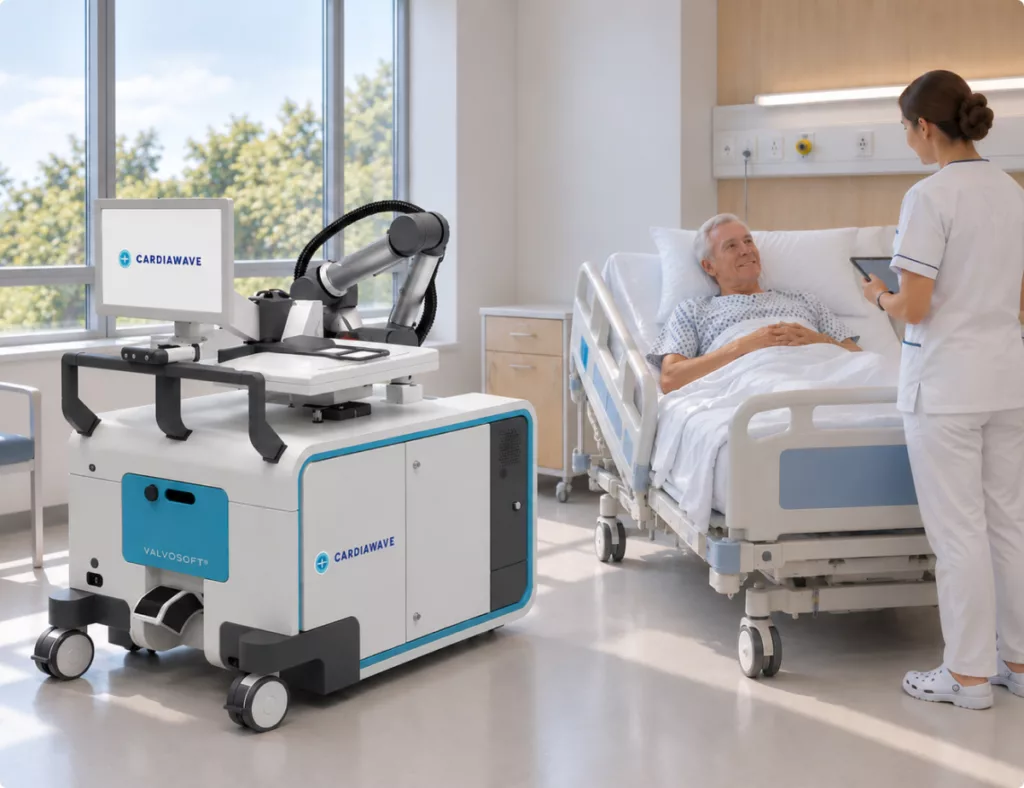
Pioneering Valvosoft®, the first CE-marked Non-Invasive Ultrasound Therapy (NIUT) designed specifically to treat severe symptomatic calcific aortic stenosis in adult patients who are not recommended by the local Heart Team for immediate transcatheter or surgical aortic valve replacement or refusing such interventions.


Cardiawave founded in Paris, France
Patent families filed
European clinical centres have treated patients with Valvosoft®
Valvosoft® CE certification obtained
Peer-reviewed publications
Pioneering non-invasive cardiac care
Born from world-class French research and clinical expertise at Langevin Institute (INSERM/CNRS/ESPCI), Institut Physique pour la Médecine, Inserm, and Georges Pompidou European Hospital (HEGP), Cardiawave is transforming the treatment of valvular heart disease.
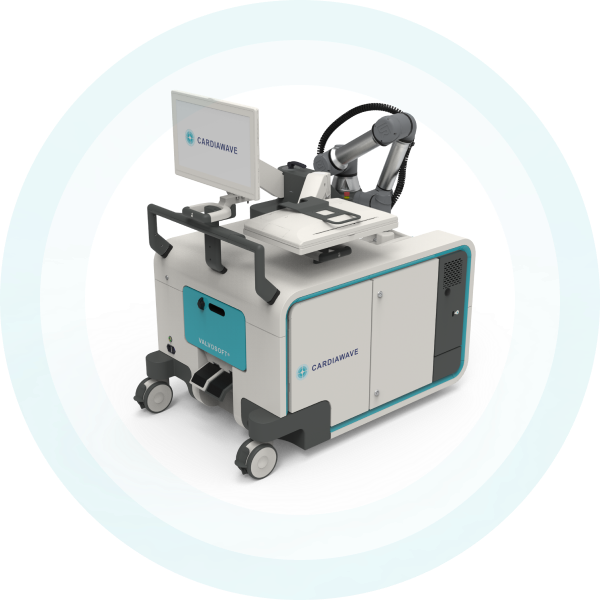
Our multidisciplinary team of scientists, cardiologists, and engineers has developed a Non-Invasive Ultrasound Therapy (NIUT). NIUT consists in softening the aortic valve, not replacing it. No surgery is required.
Our unique approach could represent both an alternative for patients not recommended for SAVR/TAVR (Surgical or Transcatheter Aortic Valve Replacement) or refusing such interventions, and a complementary approach to current procedures to prepare overly calcified aortic valves before the deployment of a TAVR.

Aortic stenosis: the 3rd most frequent cardiovascular disease in developed countries (1) (2)
Aortic stenosis is a progressive, life-threatening condition affecting millions of people worldwide, characterized by the narrowing of the opening of the aortic valve.
Progressive calcification
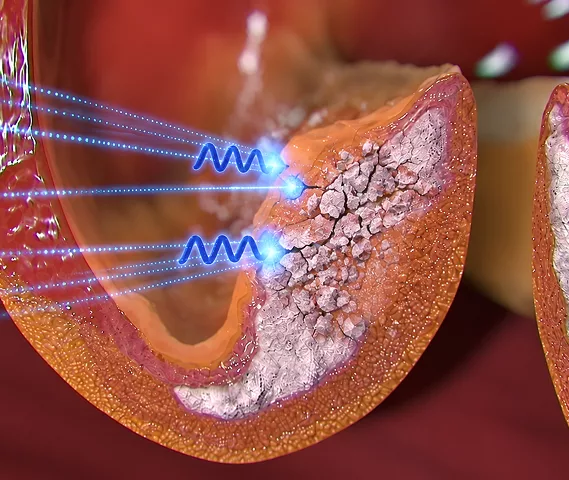
Calcium deposits build up in the valve leaflets, restricting blood flow and forcing the heart to work harder.
Symptoms
Fatigue, shortness of breath, chest pain and eventually heart failure if left untreated.
The treatment gap
Up to 30% of patients with severe aortic stenosis are too frail or comorbid for SAVR or TAVR. 65% of severe symptomatic aortic stenosis patients remain untreated in the United States of America (5).
(1) Durko AP, et al. Annual number of candidates for transcatheter aortic valve implantation per country: current estimates and future projections. European Heart Journal. July 01, 2018; 39(28):2635-2642. (DOI: 10.1093/eurheartj/ehy107)
(2) Lindman B, et al. Calcific Aortic Stenosis. Nature Reviews Disease Primers 2, Article number: 16006. March 03, 2016. (DOI: 10.1038/nrdp.2016.6)
(3) Osnabrugge R., et al. Aortic Stenosis in the Elderly: Disease Prevalence and Number of Candidates for Transcatheter Aortic Valve Replacement: A Meta-Analysis and Modeling Study. Journal of American College of Cardiology, Volume 62, Issue 11, Pages 1013-1014. September 2013. (DOI: 10.1016/j.jacc.2013.05.015)
(4) Moore M, et al. The direct health-care burden of valvular heart disease: evidence from US national survey data. Clinicoeconomics and Outcomes Research. October 18, 2016; 8:613-627 (DOI: 10.2147/CEOR.S112691).
(5) Wood S. Vast Numbers of Severe Symptomatic AS Patients Untreated? A Plea and Some Pushback. TCTMD. June 14, 2019.
Valvosoft®: A first-of-its-kind, Non-Invasive Ultrasound Therapy (NIUT)
How real-time image-guided NIUT is opening new pathways in cardiovascular medicine.
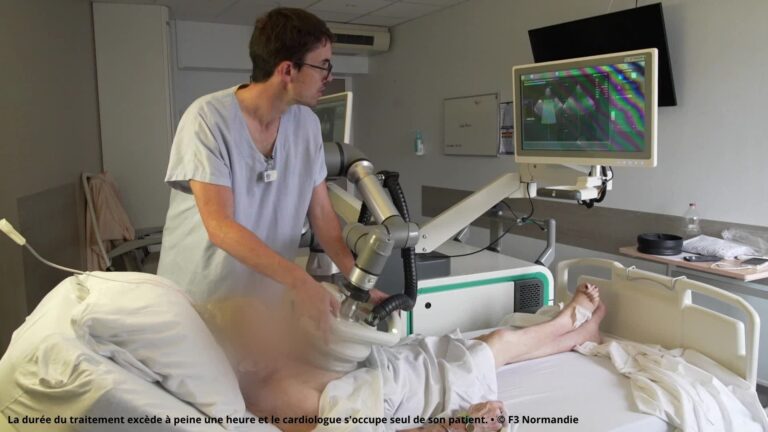
- Proprietary, robotic, image-guided NIUT device
Focused ultrasound pulses generate controlled cavitation within calcified valve leaflets, creating micro-fractures of the calcifications embedded within the leaflets.
- No anesthesia, no implant
An entirely non-invasive outpatient procedure. No general anesthesia required, and no foreign body left inside the patient.
- Restored mobility
Softening tissue, restoring mobility and improving blood flow – all while preserving the native valve.

Latest clinical & corporate news
Proud to collaborate with leading healthcare, research and industry partners
Industry networks & associations
Partners

Latest public funding